


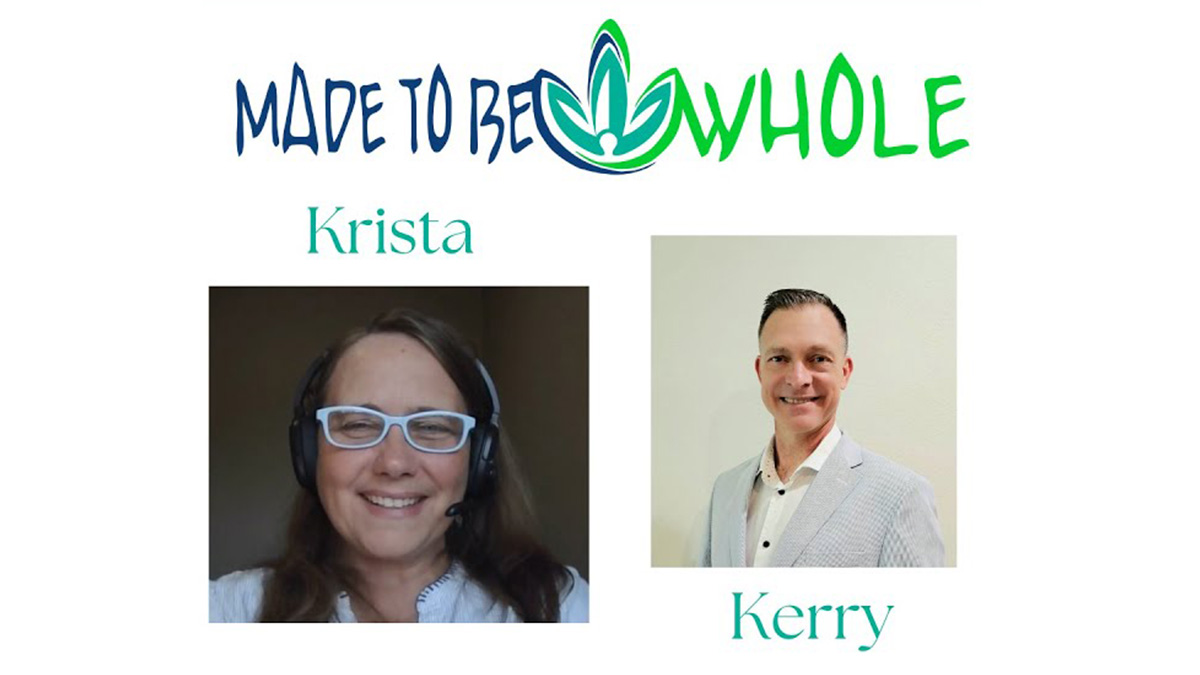
From Symptoms to Systems: Kerry Earlywine Featured on the Made to be Whole Podcast
← Back to BlogWe are excited to share that Dr. Kerry Earlywine, Clinical Compounding Pharmacist at Infuserve America, was recently a featured guest on the Made to be Whole podcast hosted by Krista Michener.
In this wide-ranging conversation, Kerry and Krista dive deep into the intersection of mental health, environmental factors, and personalized medicine. Moving beyond the traditional "pill for every ill" framework, they explore how advanced testing and compounding pharmacy can uncover root causes of chronic issues.
Episode Highlights:
- Advanced Diagnostic Testing: Kerry explains how urine and stool analysis can reveal crucial data about brain chemicals, gut inflammation, and nutrient absorption that blood work often misses.
- The Gut-Brain Connection: A look at how inflammation in the "second brain" (the gut) directly impacts mental well-being and how compounding can help patients sensitive to fillers and preservatives.
- Environmental Factors: The discussion covers the impact of heavy metals, mold exposure, and epigenetic factors on long-term health.
- Hormone Health: Kerry breaks down the vital roles of cortisol, testosterone, and progesterone in both men’s and women’s mental health.
- Innovative Treatments: Insights into the use of Oxytocin, NAD+, and Cromolyn in nasal sprays for inflammation and brain protection.
Memorable Quotes:
- On the Pharmacist’s Role: "As a compounding pharmacist… we're the bakers of drugs. We learn about all these things, like excipients, that they didn't teach you in school."
- On Genetics: "Our genetics are like piano keys… it's the outside world that's playing the keys. It's looking at how the outside world plays those genetic piano keys in us."
- On Testing: "Guessing is expensive too… If you want to get the best bang for your buck then let's do the right test that is then going to give us the best results."
- On Patient Care: "Keep your mind open and avoid extremes… find good practitioners who are open-minded and who listen."
If you’ve ever felt like you’re treating symptoms without getting to the “why,” this conversation offers a thoughtful shift toward systems-based care.